![vmexsa logo [front]](https://vmex.co.za/wp-content/uploads/2023/06/cropped-cropped-cropped-front-1-scaled.webp)
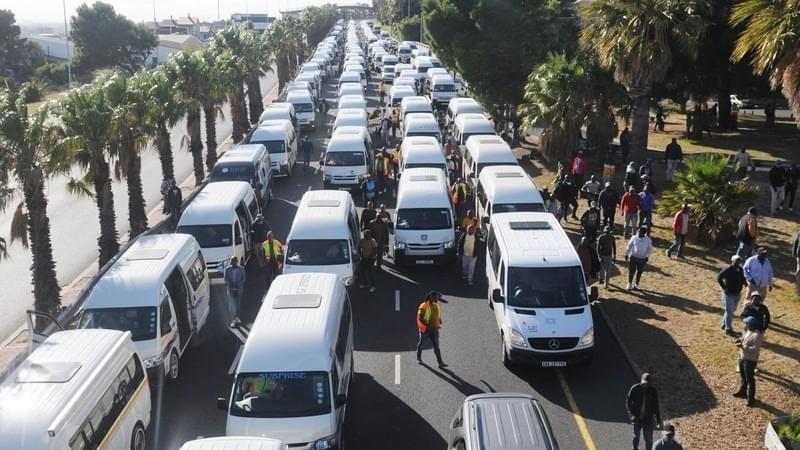
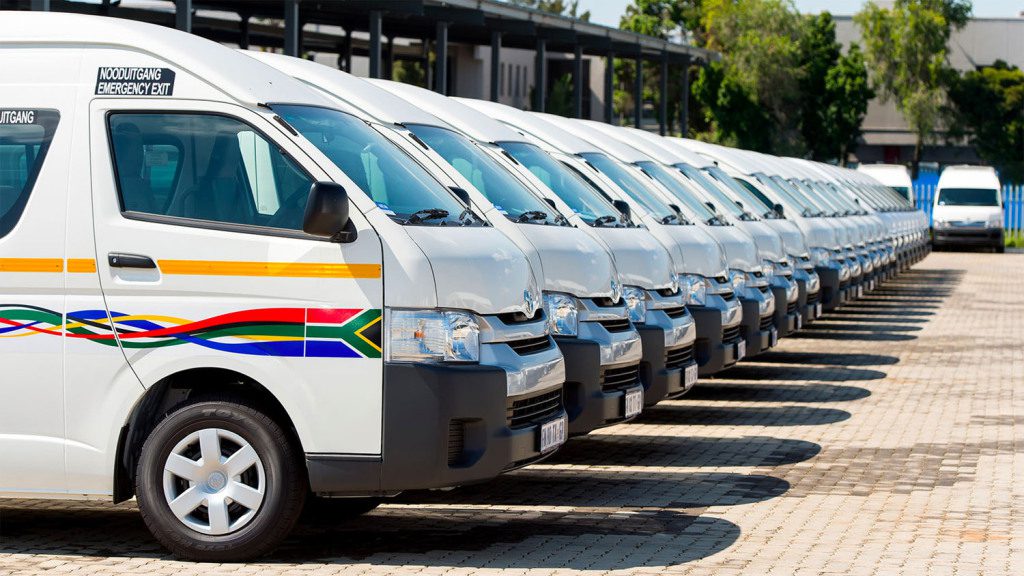
The South African National Taxi Council (Santaco) says it has begun important work to ensure that the taxi industry and e-hailing platforms operate in harmony and with mutual respect.
This follows the recent signing of regulations that officially recognize the e-hailing sector as a
legal mode of public transport in South Africa.
According to Santaco national spokesperson, Rebecca Phala, in a landmark meeting held last week, Santaco and its affiliate body, the South African Meter Taxi and E-Hailing Association (SAMTEA), engaged directly with leading e-hailing companies including Bolt, Teksi Ride, and Shuma Ride.
“The aim was to begin building a shared understanding and to promote cordial working relations between the traditional taxi sector and app-based transport services,” she said.
Phala revealed that all parties present agreed to work collaboratively in moving the industry forward.
Adding that one of the key areas of focus discussed was driver and passenger safety, particularly considering the new regulations that emphasize the need for panic buttons and other safety mechanisms.
She continued; “The app companies expressed commitment to working together to enhance safety standards across all platforms. The meeting also opened the door for future initiatives, including exploring enterprise development opportunities for e-hailing operators and drivers.
e-hailing align with transformation goals
“Promoting inclusion of e-hailing into the broader formalization goals set out by the 2020 Taxi Lekgotla; Establishing a working group committee that will guide cooperation and implementation going forward.”
Phala highlighted that this meeting marked a first of its kind and set a positive tone for future engagements.
ALSO READ | Government blacklist 40 contractors in construction crackdown
“SANTACO and SAMTEA hope to bring more app-based companies on board to ensure that all players in the e-hailing space are aligned with the transformation goals of the public transport industry.
“As the regulatory environment evolves, Santaco remains committed to playing a central role in unifying the industry, improving safety, and promoting sustainable livelihoods for all operators,” she concluded.