South African electric vehicle (EV) drivers are among the most satisfied in the world, with 91% saying they are very satisfied with owning an electric car, according to the 2026 Global EV Driver Survey.
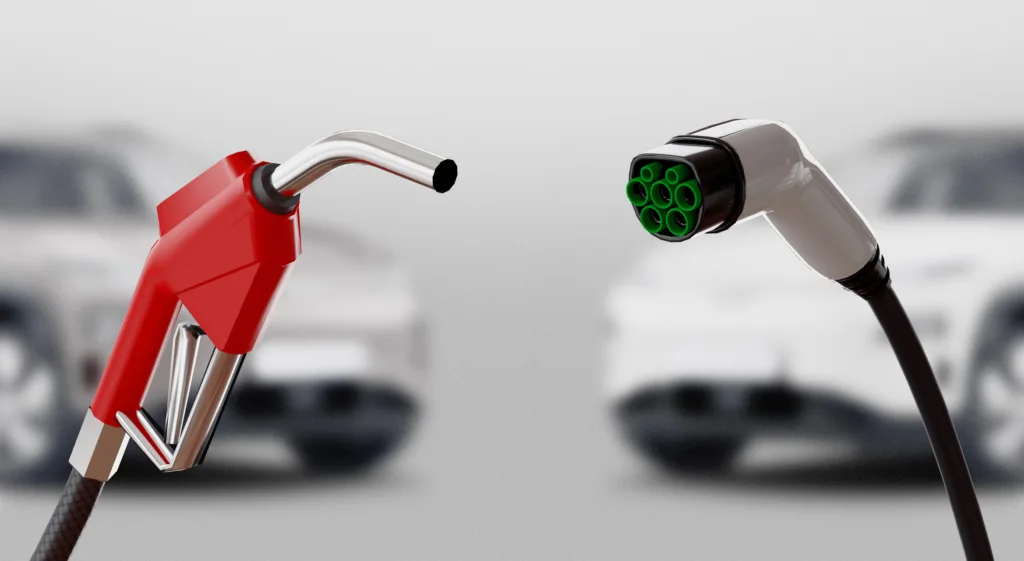
The survey, released this week by the Global EV Alliance (GEVA), gathered responses from drivers in 34 countries across all continents. It included in-depth analyses of Australia, Colombia, Indonesia, the Netherlands, South Africa and the United States, where respondent numbers were higher.
The findings show that South Africa’s satisfaction rate of about 91% is above the global average of 88% and puts the country on par with Australia, the Netherlands and the US.
The survey also found that 88% of South African EV drivers intend to make their next vehicle an electric one.
The South African Electric Mobility Association (SAEMA) welcomed the findings, saying they provide valuable insight into how local drivers use their vehicles and how their experiences compare with those in more established EV markets.
“The message from South African drivers is clear. When people drive electric, they do not want to go back to petrol or diesel,” said SAEMA.
“The technology is not the problem. More emphasis is required on technical regulations for vehicles, specifically fuel efficiency standards, and charging infrastructure.”
Lower running costs drive EV purchases
The survey found that South Africans are primarily choosing electric vehicles for financial and practical reasons rather than environmental benefits.
About 82% of local respondents identified lower energy costs as one of their main reasons for buying an EV, the highest proportion among the six countries included in the detailed analysis. This compares with the global average of 48%.
Only 8% of South African respondents cited climate benefits as a main reason for purchasing an EV, compared with 35% globally.
Lower maintenance costs were also a stronger consideration locally, with 32% identifying this as a reason for buying an EV, against the global figure of 24%.
Fuel prices appear to play a significant role in the transition. About 94% of South African respondents agreed that higher fuel prices had accelerated their move to electric vehicles. Of these, around 70% strongly agreed.
Globally, 76% of respondents agreed that higher fuel prices influenced their decision, while 28% strongly agreed.
The survey further found that 67% of South African EV drivers have solar panels at home, compared with 48% worldwide.
“South Africans buy EVs because the numbers make sense,” said SAEMA.
“Fuel is expensive, and an EV costs less to run and to maintain. First movers also charge for solar energy as available. This gives them more control over their energy cost.”
Charging infrastructure remains a major challenge
Despite high satisfaction levels, the findings highlight significant challenges facing South Africa’s EV market, particularly the availability and reliability of charging infrastructure along highways.
About 71% of South African respondents identified the need for additional charging sites along highways as a barrier to wider EV adoption. This is substantially higher than the global figure of 23%.
Almost half of local drivers (46%) said highway fast-charger coverage needs to improve, compared with 14% globally. A further 25% said fast chargers are often out of order.
These infrastructure concerns appear to influence drivers’ confidence when travelling longer distances.
South African EV drivers’ anxiety
About 29% of South African EV drivers said they often experience range anxiety, compared with 11% globally.
Only 13% of local respondents said EV ownership had no disadvantages, while the global figure stood at 46%.
The survey also found that most South African EV households still have a petrol or diesel vehicle. Only 17% of local respondents said their households owned exclusively electric vehicles, compared with 57% globally.
“Our EV drivers charge at home with no difficulty. When they leave the city, the experience varies,” said SAEMA.
“Reliable highway charging is the fastest way to make the EV the only car in the household.”
Limited model choice and battery concerns
Although misconceptions about electric vehicles are a smaller barrier in South Africa than in other markets, they remain widespread.
About 49% of South African respondents identified EV myths as a barrier to adoption, compared with the global average of 74%.
However, concerns about battery lifespan remain prominent, with 78% of local respondents identifying the belief that EV batteries do not last as a persistent myth.
The limited choice of electric vehicle models is another concern. About 20% of South African drivers identified this as a barrier, the highest proportion among the six countries analysed and more than double the global figure of 9%.
The survey also reflects the relatively young state of South Africa’s EV market. About 84% of local respondents bought their electric vehicles new, compared with 59% globally, while relatively few had purchased used EVs or leased their vehicles.
Drivers call for stronger government support
The findings indicate strong support among South African EV drivers for government intervention to accelerate the transition to electric mobility.
About 80% of local respondents agreed that policy measures are needed to increase EV sales, in line with the global average.
Around 72% also supported requiring vehicle manufacturers to sell a larger share of electric vehicles in South Africa, compared with 66% of respondents globally.
SAEMA said the results show that local consumers are ready for the transition, but that automotive policy and regulations need to keep pace.
ALSO READ | Chery recalls more than 23,000 vehicles in South Africa over safety defects
“South African drivers are ready. The automotive policy and regulatory framework must catch up,” said the association.
“We need more EV models across all brands, manufactured locally, a pre-owned EV market that people can trust, and expanded charging along our national routes.”
SAEMA said it would use the survey findings in its engagements with government, industry and civil society to highlight the opportunities and challenges facing electric mobility in South Africa.