![vmexsa logo [front]](https://vmex.co.za/wp-content/uploads/2023/06/cropped-cropped-cropped-front-1-scaled.webp)
As part of efforts to improve coverage of existing vaccines, the Department of Health is set to introduce new vaccines to be included in the routine expanded program on immunisation at a cost of R3.5 billion.
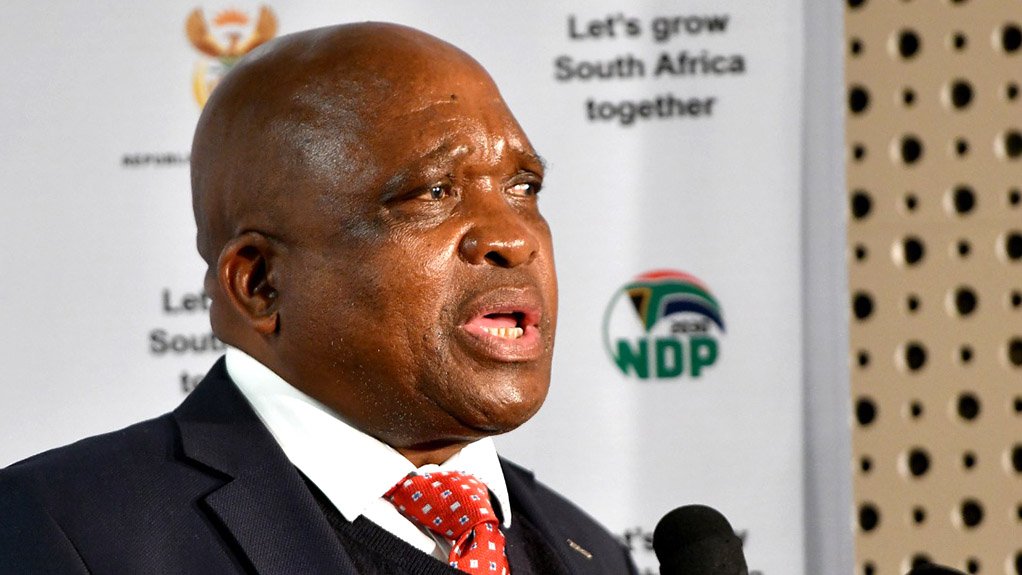
Health Minister, Dr Joe Phaahla, made the announcement during a media briefing following a meeting with Health MECs held in Centurion on Thursday.
Phaahla noted that South Africa continues to experience outbreaks of vaccine-preventable diseases, despite a strong childhood vaccination programme.
He said there is an ongoing need to improve coverage of existing vaccines and add new vaccines to the expanded program on immunisation schedule.
The Minister said the department is introducing a better packaged/derived vaccine that will prevent Whooping Cough, Tetanus and Diphtheria and reduce the chances of these conditions resurfacing within the communities.
“We are also introducing a combination vaccine of measles and rubella that will protect young girls, particularly during pregnancy which may lead to birth defects,” Phaahla said.
He said all these changes, recommended by the Ministerial-appointed National Advisory Group on Immunisation (NAGI), will be implemented with effect from January 2024.

Meanwhile, the Minister announced that the department has decided to make a number of changes related to COVID-19 vaccinations, which include transitioning from a mass vaccination campaign to integrate vaccination into routine primary health care services.
This is in line with World Health Organisation (WHO) recommendations.
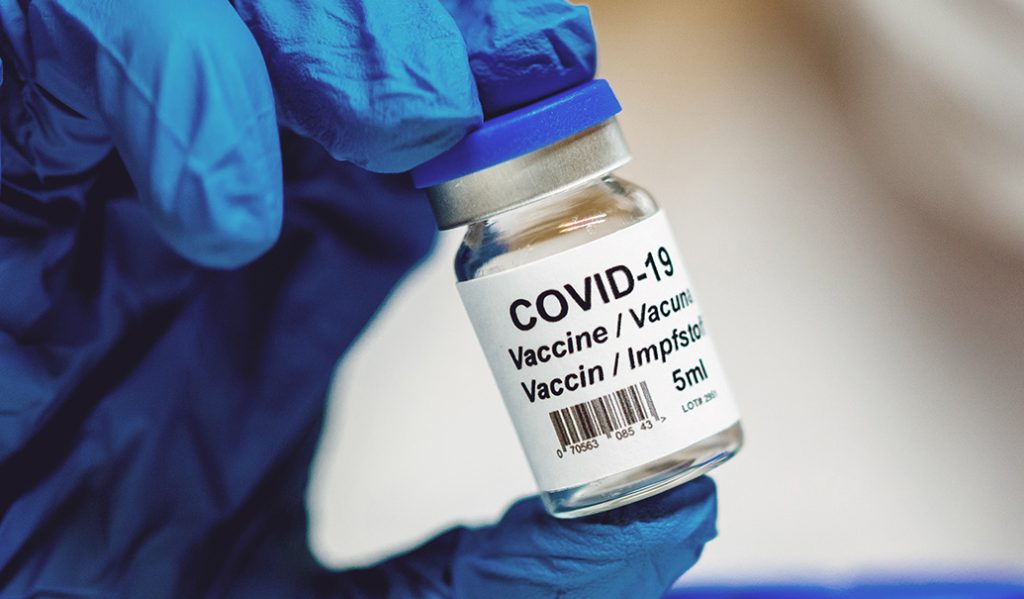
Phaahla said the current available Pfizer vaccine stock purchased as part of the COVID-19 national vaccination rollout will expire at the end of October 2023, while the J&J vaccine doses will expire at the end of February 2024.
The EVDS (Electronic Vaccination Data System) will continue to record all COVID-19 vaccinations until 29 February 2024, thereafter those vaccinated will receive a paper-record of vaccination, but they will still be able to download vaccination certificates as long as they have at least one vaccination code.
ALSO READ | Calls for MEC to step aside amid fraud charges
“The department plans to procure vaccines for administration in the public sector and will continue to work with the private sector to facilitate availability of vaccines. All restrictions limiting procurement of vaccines by private sector providers will be lifted,” Phaahla explained.
He added that the investigation and causality assessment of COVID-19 vaccination-related Adverse Events Following Immunisation (AEFIs) will continue and mechanisms for processing No Fault Compensation Scheme claims will be retained.
Phaahla also gave an update on various issues affecting the public health system, including cost containment measures; audit outcomes and performance against targets; medico-legal claims, among others.
Article sourced: SAnewsgov