![vmexsa logo [front]](data:image/svg+xml;base64,PHN2ZyB4bWxucz0iaHR0cDovL3d3dy53My5vcmcvMjAwMC9zdmciIHZpZXdCb3g9IjAgMCAyNTYwIDM5OCIgd2lkdGg9IjI1NjAiIGhlaWdodD0iMzk4IiBidi1pbWctdXJsPSJodHRwczovL3ZtZXguY28uemEvd3AtY29udGVudC91cGxvYWRzLzIwMjMvMDYvY3JvcHBlZC1jcm9wcGVkLWNyb3BwZWQtZnJvbnQtMS1zY2FsZWQud2VicCI+PC9zdmc+)
ActionSA’s Gauteng Provincial Executive Committee (PEC) has terminated the membership of Kholofelo Morodi.
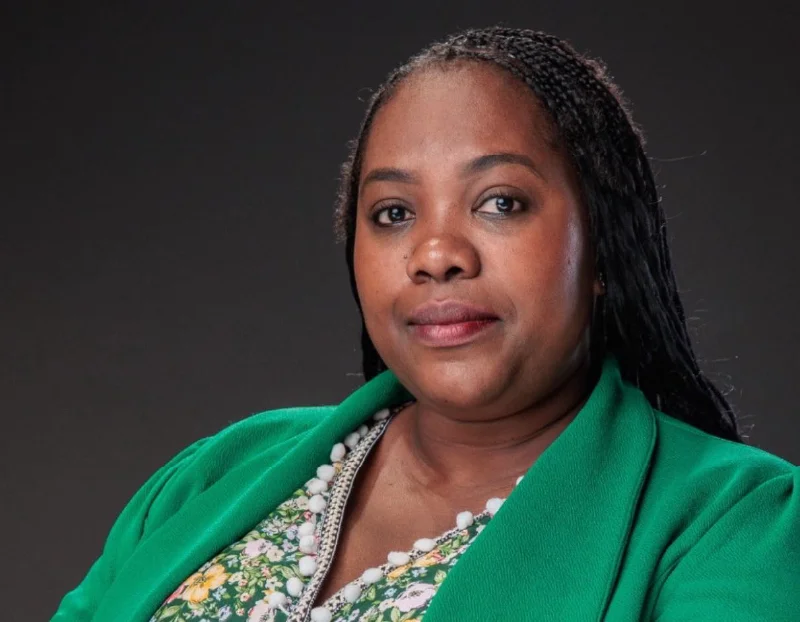
This follows the outcome of a disciplinary process related to allegations arising from Sergeant Fannie Nkosi’s testimony before the Madlanga Commission.
The party said the decision was taken after what it termed a “thorough and procedurally fair process.”
Morodi exhausted all avenues
Morodi had been notified of the allegations, given time to respond, granted an extension, and provided with 72 hours to make final representations.
“The PEC has considered all submissions received before arriving at its decision,” said ActionSA spokesperson Mongezi Ntsebenzo.
According to Ntsebenzo, the PEC reviewed evidence concerning actions deemed inconsistent with the values, constitution, and code of conduct of ActionSA.
This includes violations of the party’s interim constitution regarding behavior that could tarnish the party’s reputation.
He added, “We take matters of integrity, accountability, and ethical conduct with the utmost seriousness, particularly where public office and public trust are concerned.
“Members of ActionSA are held to these standards without exception. This matter underscores the importance of acting decisively where concerns arise.”
ALSO READ | New Era for MK Party: Leadership and structure face major overhaul
Ntsebenzo stated that ActionSA will not hesitate to act where the conduct of its members undermines the integrity of the party or the public institutions it seeks to strengthen.
He further emphasized that the party’s decision was made following its internal constitutional procedures and after thorough evaluation of all pertinent information.
“ActionSA is committed to fostering a South Africa marked by transparent governance and accountability within its institutions, alongside leadership that earns the public’s trust,” he concluded.

Creative | Nerd | Media Junky | Scribe |
Bitten by a media bug in the late 90’s – As a bona-fide Journo, he boast extensive expertise in print, online and broadcast medium and continues to strive to be the best version of himself.