![vmexsa logo [front]](https://vmex.co.za/wp-content/uploads/2023/06/cropped-cropped-cropped-front-1-scaled.webp)
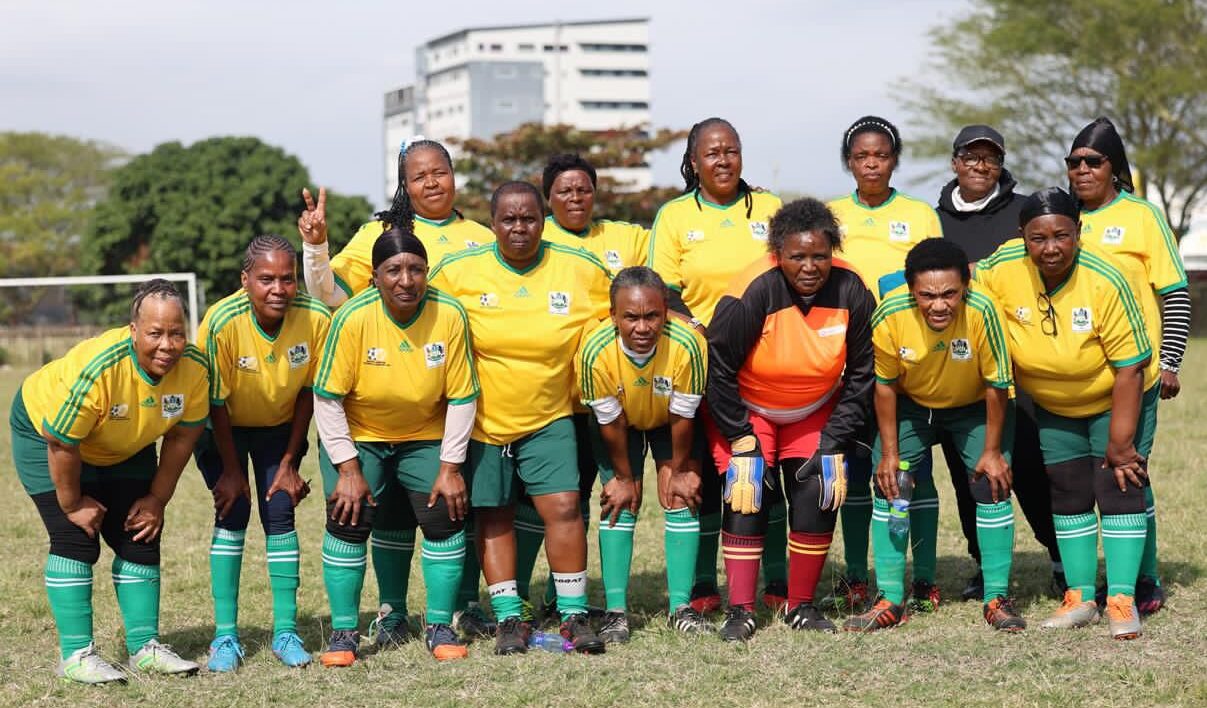
South Africa’s first dedicated LGBTQ+ women’s football team is preparing to make history on the international stage as SA YAG Games.
They are preparing to participate in the 11-a-side (D1) tournament at the Gay Games XII in Valencia, Spain, scheduled for June.
For the 25 women representing their country, this experience transcends football, signifying a journey with deeper meaning.
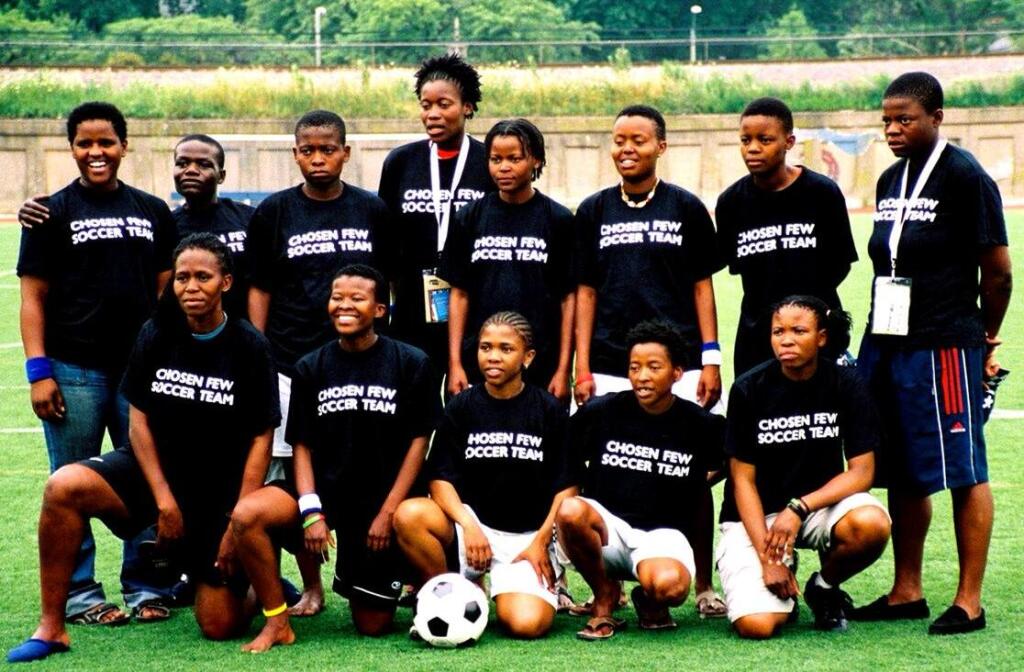
Blending former Banyana Banyana stars with veterans of the 2006 Gay Games bronze-winning squad, the team symbolizes a significant sporting legacy while challenging the obstacles that queer athletes encounter in South Africa.
SA YAG Games made history as the country’s first dedicated LGBTQ+ women’s football team to compete internationally, marking a significant milestone for inclusion in South African sport.
The squad is a rare fusion of history and elite talent—built to compete and to challenge other countries.
The team carries more than boots and jerseys—they carry the weight of representation in a country still wrestling with equality beyond paper promises.
The squad combines two esteemed generations: veterans from the 2006 World Gay Games in Chicago and former Banyana Banyana internationals like Portia Modise, Pinkie Majekane, and Phumla Masuku.
Together they carry the flag for a country whose Constitution promises equality, yet where many still fight daily for space on the field and in life.
The Muholi Art Institute (MAI) has stepped in to support SA YAG Games. The team exists to create safe spaces, build pathways and grow Africa’s inclusive sports movement.
Portia Modise, a former star of Banyana, emphasized that the Gay Games represent a worldwide celebration of humanity, highlighting the theme of “unity over division” and the notion that “everyone belongs.”
She stated that through sport, individuals unite as one family, expressing their authentic selves.
Modise added by saying the country has come a long way since the Bill of Rights, and now sport must finish the job, expanding transformation and showing the world what real inclusion looks like.
Phuthi Matlou, speaking for the team, stated that YAG represents GAY, highlighting their use of sport to advocate for LGBTQI+ individuals who have been marginalized.
Women’s football initiative
South Africa’s pioneering LGBTQ+-led women’s football initiative.
“This is about building confidence, creating real opportunities, and showing that Africa can lead an inclusive sports movement where players thrive both on and off the pitch.”
It is believed the team was formed specifically for these games, but its roots run deep. Many players grew up kicking balls in township streets where being openly queer could cost everything.
For the 2006 veterans, that first Gay Games trip was life-changing.
Matlou said, “It was an eye-opener. We walked into a space where nobody judged you for who you love. We played without fear. We felt welcomed.
“We brought bronze home, but this time we are going for gold. The memory of that freedom is what we carry into Valencia. For the former Banyana stars, the journey has been even more personal.
“This team is the bridge. It shows how women’s football in South Africa really started, not just in the national jersey but on those same dusty streets,” she explained.
The Muholi Art Institute, under the guidance of visual activist Zanele Muholi, remarked on the initiative’s significance beyond financial aspects, focusing on coordination, training logistics, and notably documenting the journey via photography, film, and archiving.
ALSO READ | Heavyweight showdown confirmed: Thompson and Potgieter battle for glory
The institute documents, preserves and celebrates Black LGBTQ+ lives in South Africa through photography, film, exhibitions and community programmes.
Muholi stated that each player’s unique narrative contributes to the collective South African ‘I am’ and ‘it’s a YAG thing’ stories. She advocates for the preservation of such moments through art.
As the sole South African photographer at the 2006 Gay Games in Chicago, she witnessed the team compete fearlessly, win bronze, and undergo a transformative experience.
She reckoned, “Twenty years on, the Muholi Art Institute stands fully behind SA YAG Games in Valencia because this is not just sport; it is our living archive, our loudest protest, and our proudest celebration of who we are. We document, we support, we rise. The world is about to see South Africa’s queer sports shine.”
Challenges remain real as most players are unemployed or live far from training venues. Moreover, transport costs have forced the squad to begin with Sunday sessions only, with players sharing lifts and small donations to make it work.
The team is also looking for full funding for flights, accommodation, visas, stipends and proper kit so the entire delegation can travel with dignity.
The team is openly inviting partners who want to do more than write a cheque.
“We are asking sponsors to become co-authors of this story. Help us write a new chapter of inclusion, identity and real transformation through sport.
ALSO READ | 18-Year-Old phenom hones skills at Mayweather boxing club
“We want partnerships that build legacy, not just visibility for your brand, but real programmes in health, wellness, empowerment and economic opportunity for queer athletes,” said Matlou.
Beyond Valencia, SA YAG Games will launch Gauteng’s first local Gay Games in 2027 to bring other provinces on board.
They will also run youth soccer clinics, corporate talks on LGBTQI+ inclusion, and community tournaments so the momentum never stops.

Xenophobic Investigative Fellow, metrosexual. Scriber, ghost writer. I am not part of the please like me brigade. Unapologetic. Nonchalant