![vmexsa logo [front]](data:image/svg+xml;base64,PHN2ZyB4bWxucz0iaHR0cDovL3d3dy53My5vcmcvMjAwMC9zdmciIHZpZXdCb3g9IjAgMCAyNTYwIDM5OCIgd2lkdGg9IjI1NjAiIGhlaWdodD0iMzk4IiBidi1pbWctdXJsPSJodHRwczovL3ZtZXguY28uemEvd3AtY29udGVudC91cGxvYWRzLzIwMjMvMDYvY3JvcHBlZC1jcm9wcGVkLWNyb3BwZWQtZnJvbnQtMS1zY2FsZWQud2VicCI+PC9zdmc+)
The Gauteng Provincial Government (GPG) has unveiled a real-time dashboard aimed at tracking key performance indicators of all 11 of the province’s municipalities.
The tool, known as the Gauteng Smart City Performance Monitor, will monitor crucial areas, including governance, financial management, infrastructure delivery, climate resilience and disaster preparedness.
“The dashboard will further provide residents with access to municipal performance data, enabling communities to monitor progress and strengthen accountability in service delivery.
“Integrated technology platforms, including CCTV networks, the LIMIT land invasion monitoring system and smart water management dashboards, form part of Gauteng’s broader digital transformation journey aimed at building responsive and data-driven municipalities,” the provincial Cooperative Governance and Traditional Affairs Department said.
The dashboard is a part of the Local Government Turnaround Strategy (LGTS), which was adopted in October 2024 to address persistent service delivery bottlenecks.
“The LGTS… continues to serve as a coordinated framework to address long-standing challenges facing municipalities while advancing the vision of building smart and resilient municipalities.
“Through Intergovernmental Relations [IGR] platforms, facilitated by Gauteng COGTA, provincial governments, municipalities and strategic stakeholders have strengthened collaboration to tackle persistent service delivery constraints. Early gains from this approach are becoming increasingly evident,” the department said.
These include significant early gains in municipal management and financial performance during the fiscal years 2023/24 to 2024/25. Key improvements include a notable increase in the resolution of audit findings, which rose from 35% in Q3 2023/24 to 55% in the same quarter of 2024/25.
Additionally, the rate of non-compliance findings decreased from 35% to 27%, and two municipalities achieved clean audit statuses.
In terms of staffing and capacity, the filling of senior management positions saw an enhancement, with the proportion of positions filled increasing from 70% in March 2025 to 86% by March 2026.
Progress made in several municipalities
Currently, all municipal and city manager posts have been filled, along with 88% of critical technical roles, indicating a strengthened leadership structure.
Financially, the provincial government received R209.24 million in debt payments by March 2026.
Debt settlement arrangements have been established with most municipalities related to obligations to Rand Water, and several municipalities have made progress with current account payments to essential service providers, suggesting an overall improvement in financial discipline and responsibility.
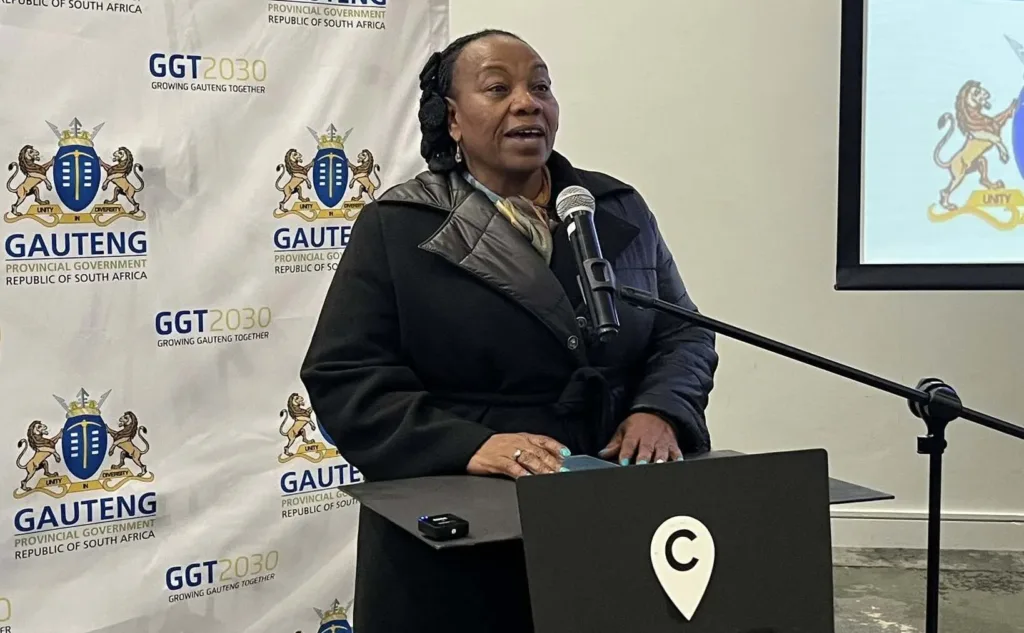
Speaking at a progress report briefing on municipal performance, Gauteng COGTA MEC Jacob Mamabolo reiterated the importance of working together to resolve challenges.
ALSO READ | Tragic death of Thato Molosankwe: Afrika Mayibuye Movement denounces violence
“What we are doing through our intergovernmental relations structures is precisely to ensure greater integration and coordination so that when we commit to resolving the 13 priority challenges identified by Premier Panyaza Lesufi during the State of the Province Address, we do so with clear programmes and interventions that deliver long-term solutions.
“I am encouraged that national, provincial and local governments are increasingly recognising that we are stronger when we work together and that blame-shifting or reacting to problems in isolation will not assist us in addressing the complex challenges that continue to hamper service delivery,” Mamabolo said.
Article sourced: SAgovNews