![vmexsa logo [front]](data:image/svg+xml;base64,PHN2ZyB4bWxucz0iaHR0cDovL3d3dy53My5vcmcvMjAwMC9zdmciIHZpZXdCb3g9IjAgMCAyNTYwIDM5OCIgd2lkdGg9IjI1NjAiIGhlaWdodD0iMzk4IiBidi1pbWctdXJsPSJodHRwczovL3ZtZXguY28uemEvd3AtY29udGVudC91cGxvYWRzLzIwMjMvMDYvY3JvcHBlZC1jcm9wcGVkLWNyb3BwZWQtZnJvbnQtMS1zY2FsZWQud2VicCI+PC9zdmc+)
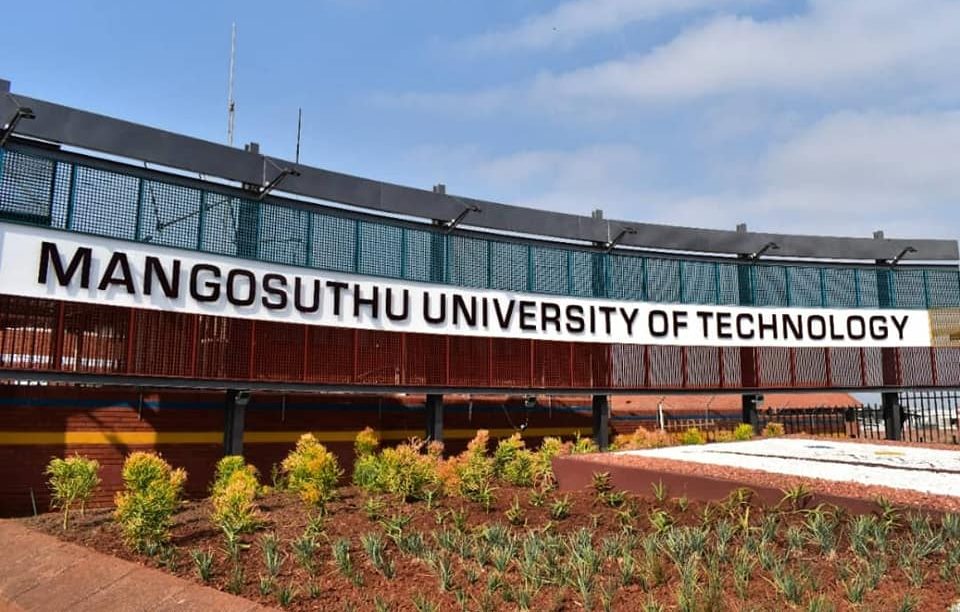
Following a record of heat and drought, this year, Mangosuthu University of Technology [MUT], is set to host a ground-breaking international summit.
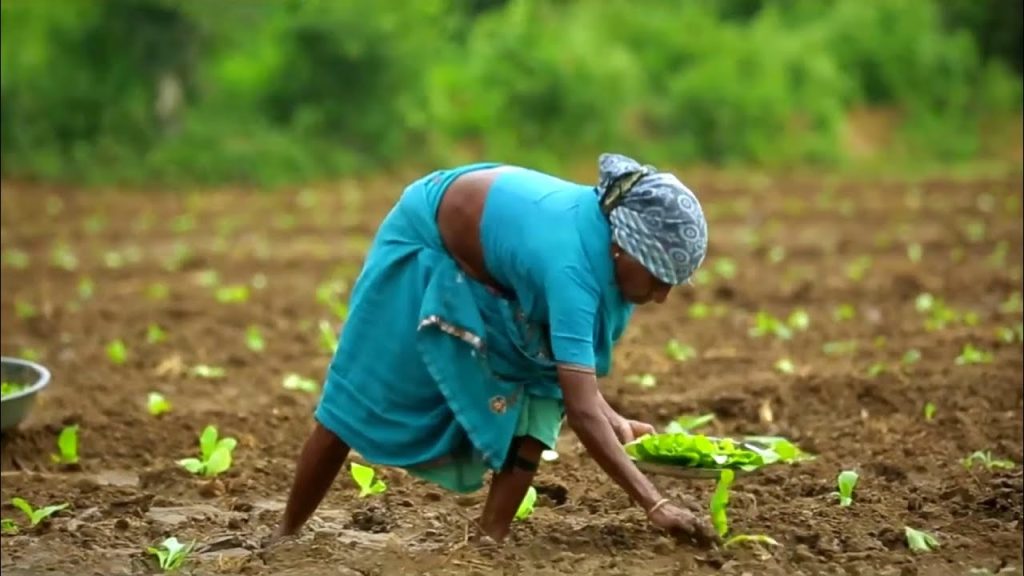
The summit in partnership with Florida Agricultural and Mechanical University, [FAMU], USA will focus on addressing the pressing challenges of energy, water, food, and climate.
Scheduled for the first week of July 2024, the summit aims to bring together global experts, researchers, and practitioners to discuss innovative solutions and strategies to build climate change resilience in energy, water, and food systems.
Providing knowledge and collaboration through the Summit
The summit, which will be hosted by MUT, a regional university in a township with extended global reach, will look to provide a unique platform for knowledge exchange and collaboration among experts from diverse backgrounds.
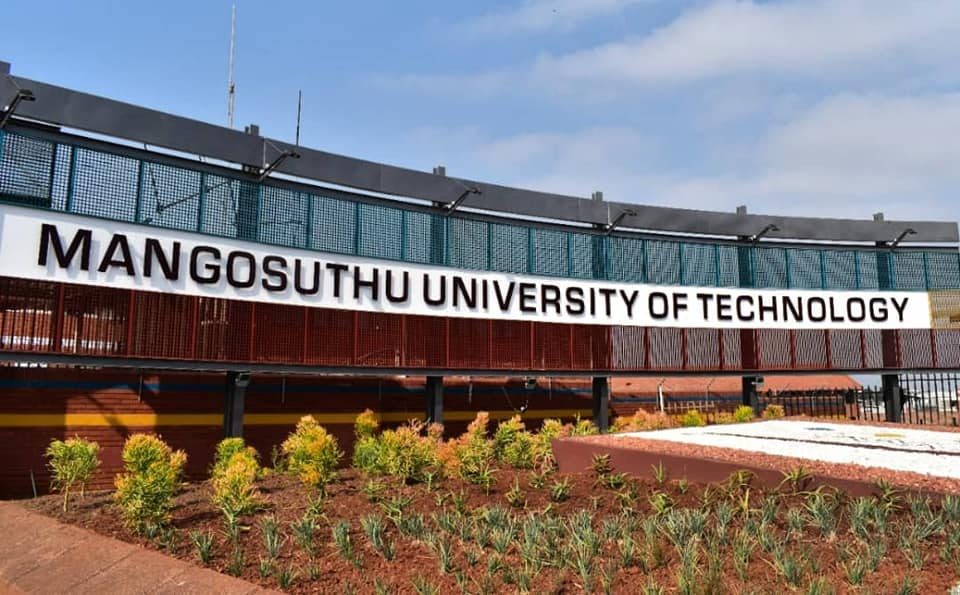
Senior Director of Communication at MUT, Mbali Mkhize said they are thrilled to host this ground-breaking summit, which will bring together experts and stakeholders from around the world to address the urgent challenges posed by climate change.
ALSO READ | NSFAS financial aid application deadline extended
“By fostering collaboration and knowledge sharing, we aim to develop innovative solutions that will contribute to a more resilient future,” concluded Mkhize.
According to the United Nations, the Climate Change Conference held in Dubai, United Arab Emirates, on December 13, 2023 closed with an agreement that signals the beginning of the end of the fossil fuel era by laying the ground for a swift, just and equitable transition, underpinned by deep emissions cuts and scaled-up finance.
Negotiators from nearly 200 countries – in the world’s first ‘global stocktake’ of the Paris Agreement – agreed to ratchet up climate action before the end of the decade, with the overarching aim of keeping global temperature increase to 1.5°C above pre-industrial levels.

Xenophobic Investigative Fellow, metrosexual. Scriber, ghost writer. I am not part of the please like me brigade. Unapologetic. Nonchalant