![vmexsa logo [front]](data:image/svg+xml;base64,PHN2ZyB4bWxucz0iaHR0cDovL3d3dy53My5vcmcvMjAwMC9zdmciIHZpZXdCb3g9IjAgMCAyNTYwIDM5OCIgd2lkdGg9IjI1NjAiIGhlaWdodD0iMzk4IiBidi1pbWctdXJsPSJodHRwczovL3ZtZXguY28uemEvd3AtY29udGVudC91cGxvYWRzLzIwMjMvMDYvY3JvcHBlZC1jcm9wcGVkLWNyb3BwZWQtZnJvbnQtMS1zY2FsZWQud2VicCI+PC9zdmc+)
This year, half of the world’s population has gone to the polls to elect new governments, which they hope will promote economic growth, attract investment, and create jobs for citizens impacted negatively by rising cost of living.
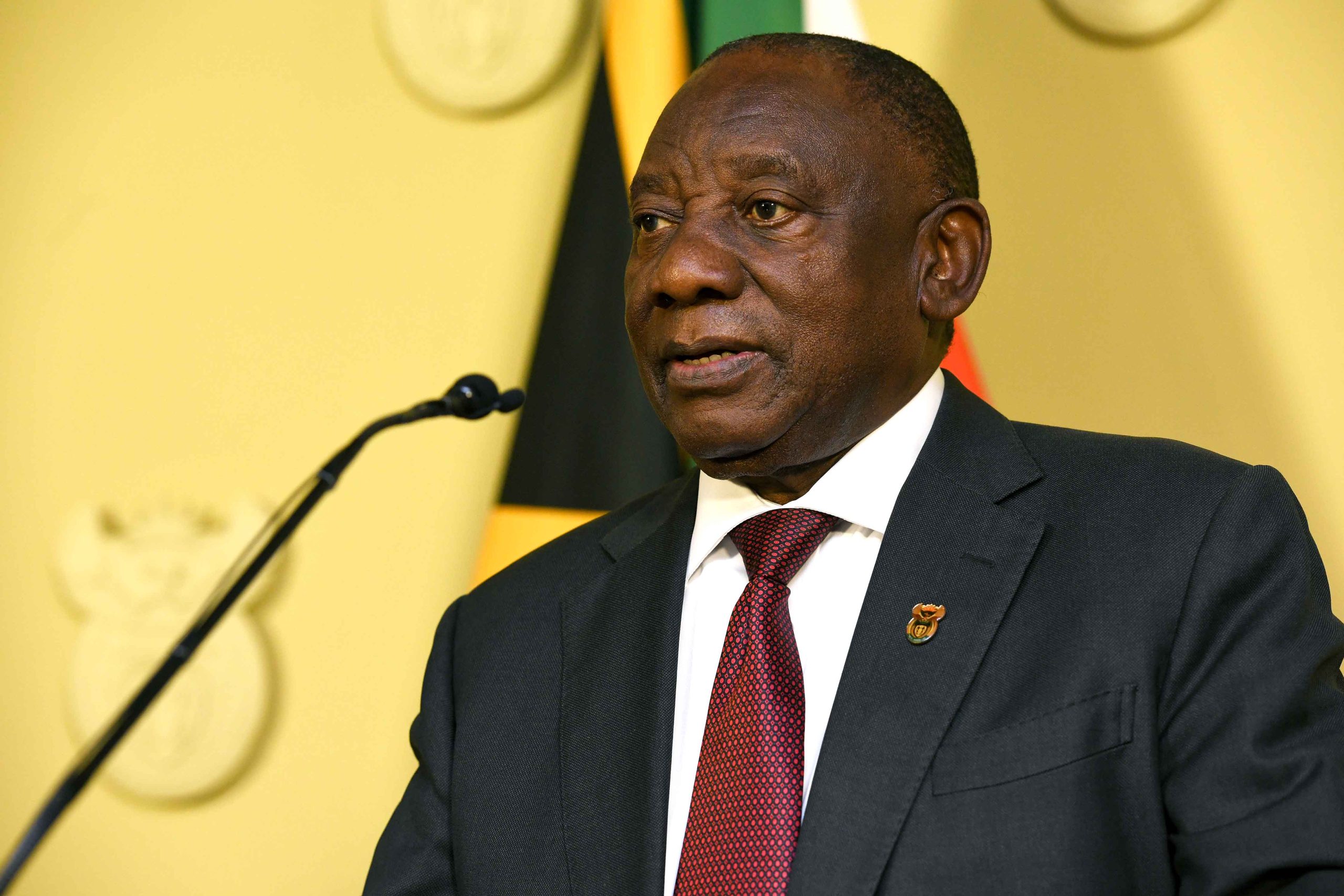
Here at home, South Africans went to the polls on 29 May 2024, where the ruling ANC lost its majority for the first time since the dawn of democracy in 1994 and had to form a government of national unity (GNU) with 10 other political parties.
Large emerging markets of India and Mexico have gone to the polls, where voters reduced majorities for ruling parties, while the UK and France both saw changes in their respective governments. The Americans are going to the polls on 5 November 2024 to pick the 47th U.S. President to replace incumbent Joe Biden.
After the elections, the new governments are getting down to the business of attracting investment, particularly fixed investment, also known in economics parlance as gross fixed capital formation (GFCF). The GFCF is a yardstick for real new investments and countries compete fiercely to attract it.
This competition was highlighted by the fierce competition between Biden and former UK Prime Minister Rishi Sunak to attract UK-based chip manufacturer ARM to list in their countries’ stock markets. In the end, Biden prevailed over Sunak as ARM opted to list on the US’s technology-heavy stock exchange Nasdaq.
In South Africa, we have struggled to attract high levels of fixed investment, which our economy needs to break out of stagnation. If our country is to meet the 6% annual economic growth target set in the National Development Plan (NDP) document, fixed investment will have to rise to 30% of GDP by 2030 from around 15% currently, where it has been for the last two decades.
At current levels, fixed investment is too little to support the 6% growth target envisioned in the NDP. It is for this reason that President Cyril Ramaphosa made it his mission since 2018 to attract fixed investment.
The GNU, which President Ramaphosa leads, has largely been welcomed by the markets with the rand strengthening against the U.S. dollar while the JSE experienced a bit of a rally. The strong performance in the financial markets has raised hopes that it could spillover into the real economy and boost fixed investment as investors deploy capital in both greenfield and brownfield projects.
The case for an influx of investment into the global real economy has also been made by the world’s largest asset manager, BlackRock. The asset manager recently published the 2024 Mid-year Global Outlook report titled “Waves of transformation”, which projects that the real economy is set to take over from the financial economy. BlackRock expects major capital spending to be driven by three mega forces such as artificial intelligence (AI), low-carbon transition, and rewiring of supply chains.
ALSO READ | OPINION | Precarious state of healthcare in SA
This new wave of investment into the real economy is expected to stimulate massive infrastructure investment that will result in the construction of new data centers powering AI models, computer chips, solar farms, super batteries, factories, logistics centers, roads, bridges, schools and hospitals in countries with growing populations.
BlackRock estimates that investment in energy infrastructure will hit $3.5 trillion per year this decade, with low-carbon investment accounting for up to 80% of energy spending by the 2040s, up from 64% now.
These projections by BlackRock, if they come to fruition, could determine how investors allocate capital as they seek to maximise returns on their investment portfolios.
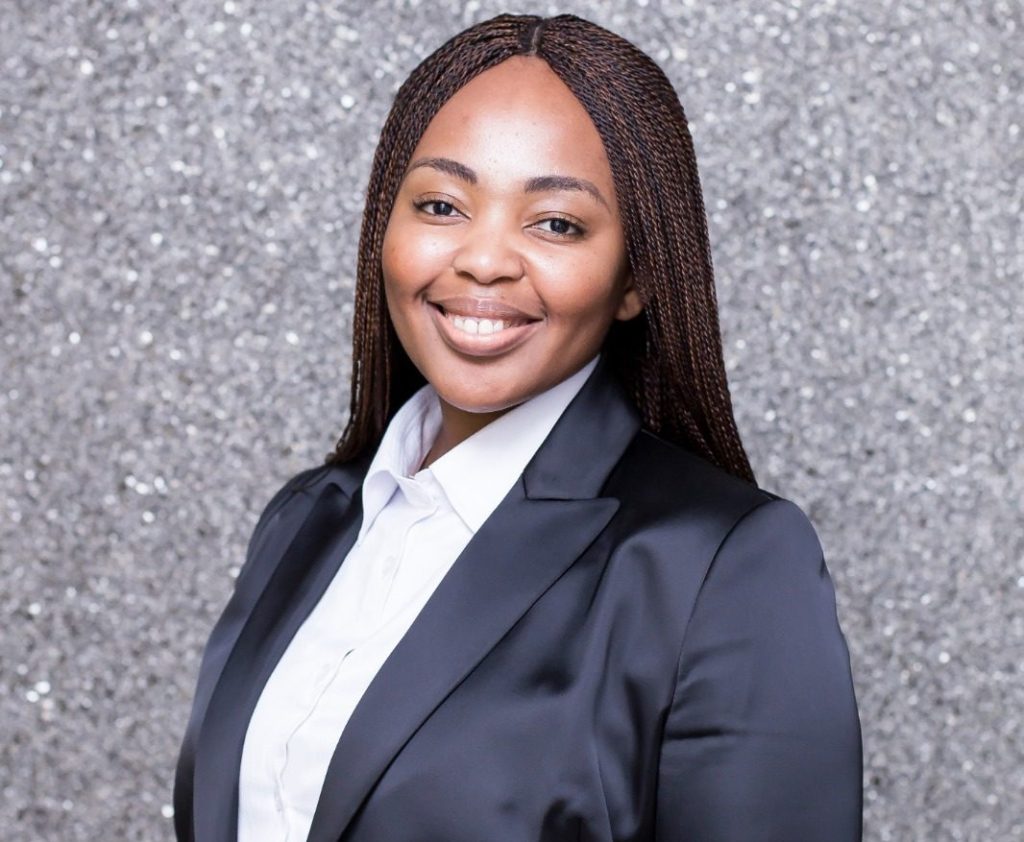
As a portfolio manager, I am looking forward to enhancing my knowledge and investment management expertise when I attend the BlackRock Educational Academy in New York, USA, later this month, where these mega forces driving global investment trends will be explored.
Every year, since 2015, BlackRock has been partnering with the Association of Black Securities and Investments Professionals (ABISP) and 27four Investment Managers to identify two black South African investment professionals to attend the BlackRock Global Skills Development Programme.
This programme is overseen by the BlackRock Educational Academy and offers global market insights on topics ranging from asset allocation, fixed income, indexing/ETFs, equities, risk management, to operational excellence, and alternative investments.
The programme will give me an opportunity to exchange ideas and share best investment management practices with top asset managers from across the globe.
The projected investment flows by BlackRock into the real economy will have major implications for South Africa as it must position itself to capture these investments.
ALSO READ | OPINION | We deserve the whole bakery and not the slices of bread
There are positive post-election developments that bode well for our country, chief amongst an improvement in the performance of Eskom’s fleet of power stations. This development has resulted in the suspension of load shedding since April this year, helping to lower the cost of doing business and improving customer service as businesses enjoy operating without disruptions by power cuts.
However, Transnet, still needs to improve its port services and address congestion and delays at its ports. The improvement in South Africa’s power supply and overall sentiment could not have come at the right time as the economy is likely to get a boost from the introduction of the long-awaited retirement savings’ two-pot system this month.
The system is expected to put money in the pockets of cash-strapped consumers, who will be allowed to access a portion of their retirement savings to meet emergency expenses or pay off debt.
Written by: Thembeka Sobekwa (Director and portfolio manager at Mianzo Asset Management)
Disclaimer: The views expressed in the content belong to the author and not vmexsa, its affiliates, or employees.