![vmexsa logo [front]](https://vmex.co.za/wp-content/uploads/2023/06/cropped-cropped-cropped-front-1-scaled.webp)
The Men’s Council South Africa (MCSA), has called on the government of South Africa to increase efforts in addressing mental health and suicide prevention nationwide.

This especially as September is recognised as a new year In African context and is noted as Suicide Prevention Month.
The call according to the non-partisan civil organization, comes in the wake of a recent tragedy in Durban, where family and friends gathered on Monday to mourn the loss of a 21-year-old man from Chatsworth, who reportedly took his own life by jumping from a bridge near the Umgeni Interchange.
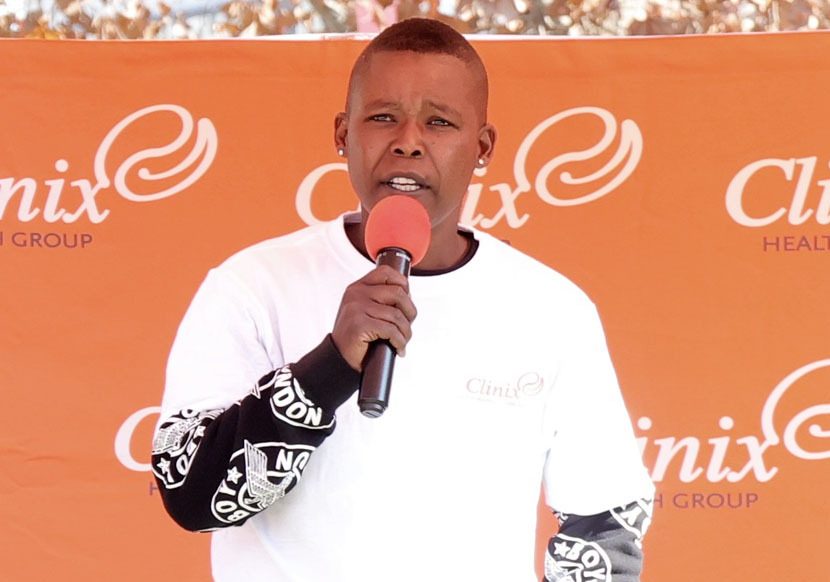
The Council’s President, Fikile Dyantyi said effectively confronting these critical issues necessitates a comprehensive approach that addresses the deeply intertwined and ongoing challenges of unemployment, poverty, and inequality.
He revealed that research indicates that suicide is not solely a result of mental illness; factors such as socioeconomic hardship, poverty, and certain personality traits also contribute significantly.
“Nevertheless, high levels of mental distress, inadequate coping skills, and mental disorders like depression are key drivers of suicidal behavior.
“The rising prevalence of substance abuse, particularly among youth, has further exacerbated this crisis, threatening the future of our nation. Effectively addressing this pandemic necessitates strong partnerships among all stakeholders, including communities and civil society.
“Recent data underscores the severity of the crisis. According to the Discovery Life 2024 Claims Experience Report, suicide-related claims accounted for 45% of life insurance claims for individuals aged 41 to 60, with a 62% increase in claims for those over 50 in 2024 compared to the five-year average.
“Across all age groups, suicide claims represented 35% of unnatural death claims—higher than those for motor vehicle accidents (23%), crime (17%), trauma (10%), and other accidents (15%).
Majority of claims involved men
“The majority of these claims involved older men, though the youngest was a 35-year-old woman with psychological issues,” he elaborated.
Furthermore, Dyantyi highlighted that South Africa ranks third in Africa for suicide deaths, with 13,774 recorded in 2019, predominantly among men (10,861 compared to 2,913 women).
He added; “More recently, suicide rates increased by 18% in 2021, indicating that the crisis is worsening, especially among men.
“The World Health Organization (WHO) reported that in 2019, South Africa’s suicide rate was 23.5 per 100,000 people, placing it among the top ten countries globally in terms of suicide prevalence.
ALSO READ | Public urged to prioritise safety ahead of Heritage Day
“These statistics reveal a profound mental health crisis, with men disproportionately affected. Yet, critical questions remain: What does mental illness look like in men? What barriers prevent men from seeking help?
“The rise in male suicide coincides with South Africa’s unemployment rate reaching 33.2% in Q2 2025, up from 32.9% in Q1, and slightly exceeding market expectations.
“Although unemployment remains higher among women (35.9%) than men (31.0%), evidence suggests that men are struggling more to cope with these economic pressures.
“If we want men to thrive—rather than merely survive—we must create safe spaces for them to express, heal, and rebuild without shame, with dignity, and with support. Let us not wait for another tragedy to act.”