![vmexsa logo [front]](https://vmex.co.za/wp-content/uploads/2023/06/cropped-cropped-cropped-front-1-scaled.webp)
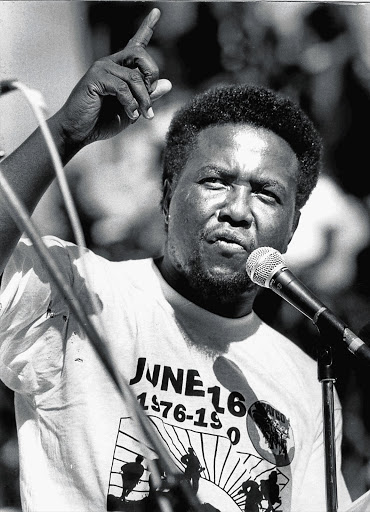
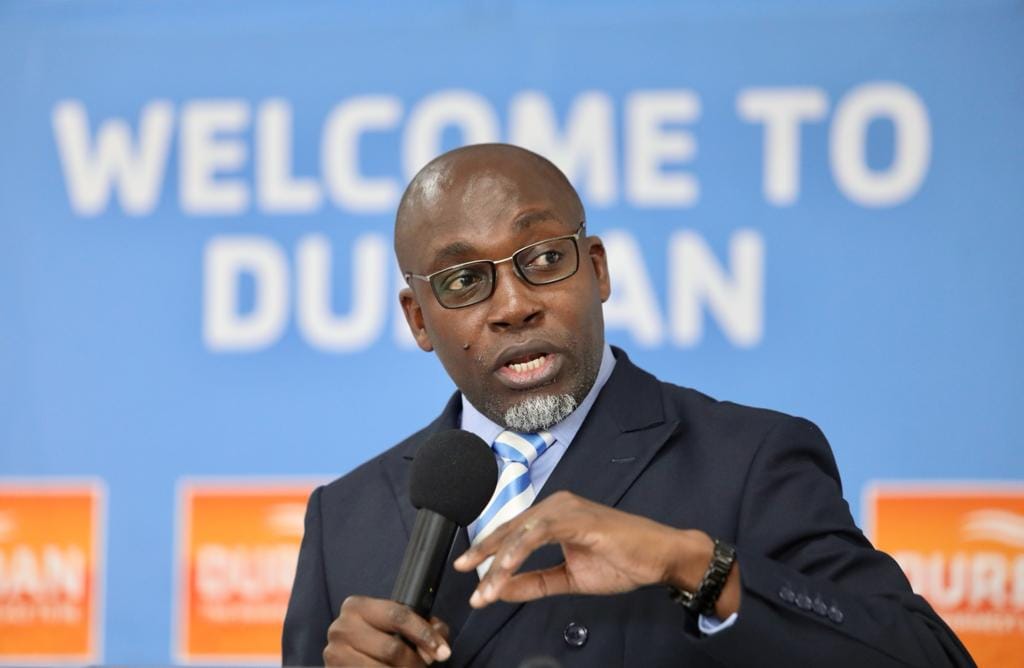
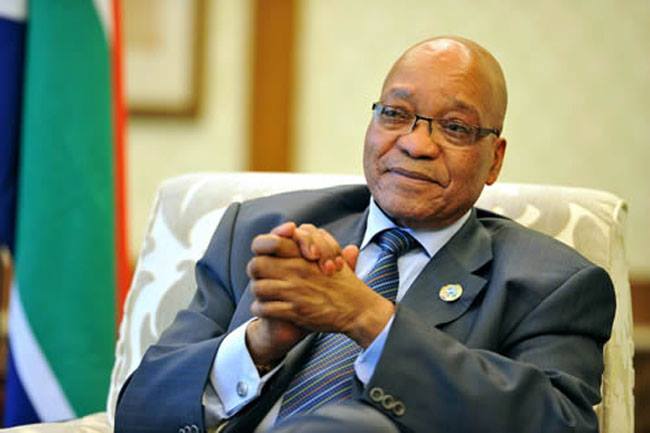
The African National Congress Youth League is currently celebrating its 80th anniversary and in its graphics memorabilia- they have omitted the face of Julius Malema along other former presidents of the YL.
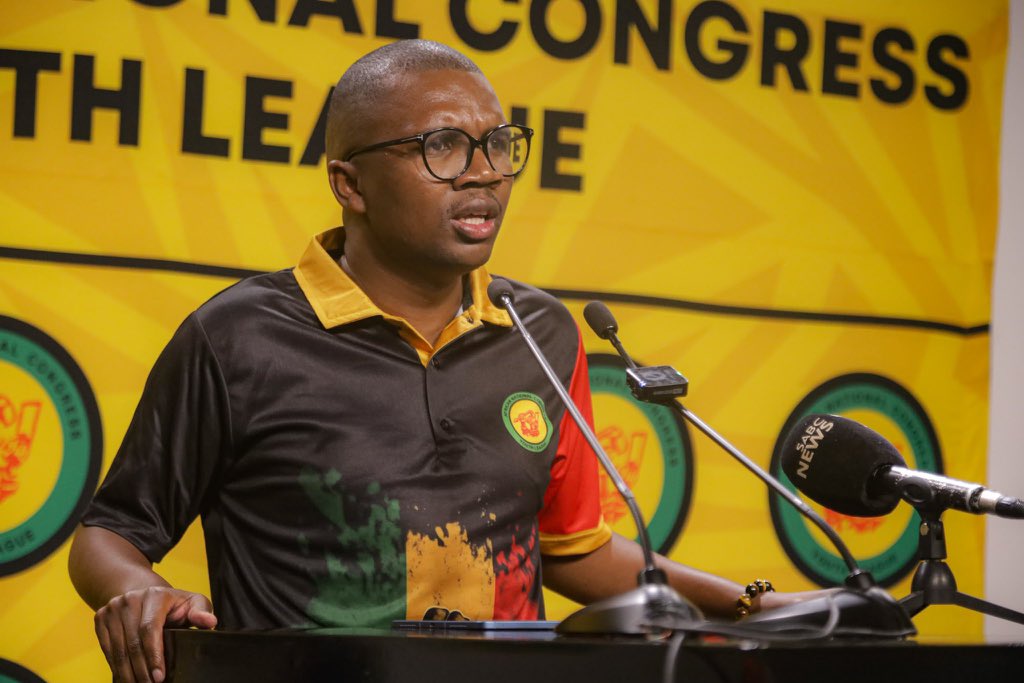
The omission of Julius Malema from the African National Congress Youth League (ANCYL) 80th-anniversary mobilization poster and graphics is a significant, albeit troubling, act of historical erasure.
At first glance, it might seem like a mere stunt and statement, but upon deeper inspection, it reveals a profound disconnect from the roots of the post-1994 youth liberation movement in South Africa.
Malema’s omission in this commemoration is not just about removing a figure from a poster; it represents a broader attempt to rewrite the history of youth activism, sanitizing the narrative to suit contemporary political agendas that seek to erase a radical posture in through history of Southern liberation movement.
Julius Malema’s journey through the ranks of youth activism is well-documented and undeniable. His involvement with the Congress of South African Students (COSAS), where he served as the national president, positioned him as a formidable force in student and youth politics.
During his tenure, Malema was instrumental in advocating for the rights of students, particularly in townships, and resisting the inequalities that persisted in post-apartheid education.
One of his most significant and relevant campaigns was the “one student, one laptop” campaign. His leadership in COSAS laid the groundwork for his later influence within the ANCYL, where he served two terms as president of the most vibrant youth structures across Africa.
Under Malema’s leadership, the ANCYL regained its radical edge, becoming a platform for challenging the status quo within the ANC and the broader South African society.
His collective spearheaded the call for economic freedom, despite troubling internal counterviews. Particularly on land redistribution and nationalization of mines, which resonated deeply with the frustrations of the youth.
It is this same radicalism, this refusal to compromise on the principles of the Freedom Charter, that ultimately led to his expulsion from the ANC and the ANCYL.
The ANCYL’s current leadership, under Collen Malatji, by omitting Malema’s contribution, is engaging in an act of historical revisionism. This revisionism is not merely about Malema but about erasing the legacy of radical youth activism that he represents.
It is an attempt to present a sanitized version of the ANCYL’s history, one that aligns with the current leadership’s less confrontational stance.
However, as Frantz Fanon warned, “Each generation must, out of relative obscurity, discover its mission, fulfill it, or betray it.”
The current leadership of the ANCYL risks betraying the very mission that past leaders, including Malema, dedicated themselves to—advancing the interests of black people and Africans in particular.
This treasonous act by the ANCYL equally puts them in danger to betray their own mission- if ever they see themselves position for something better than fighting ANC fractional battles.
The omission of Malema from the history of the YL is also emblematic of a deeper, more troubling pattern within the ANC’s political culture—the jealousy and sabotage of young, dynamic leaders by the old political guard.
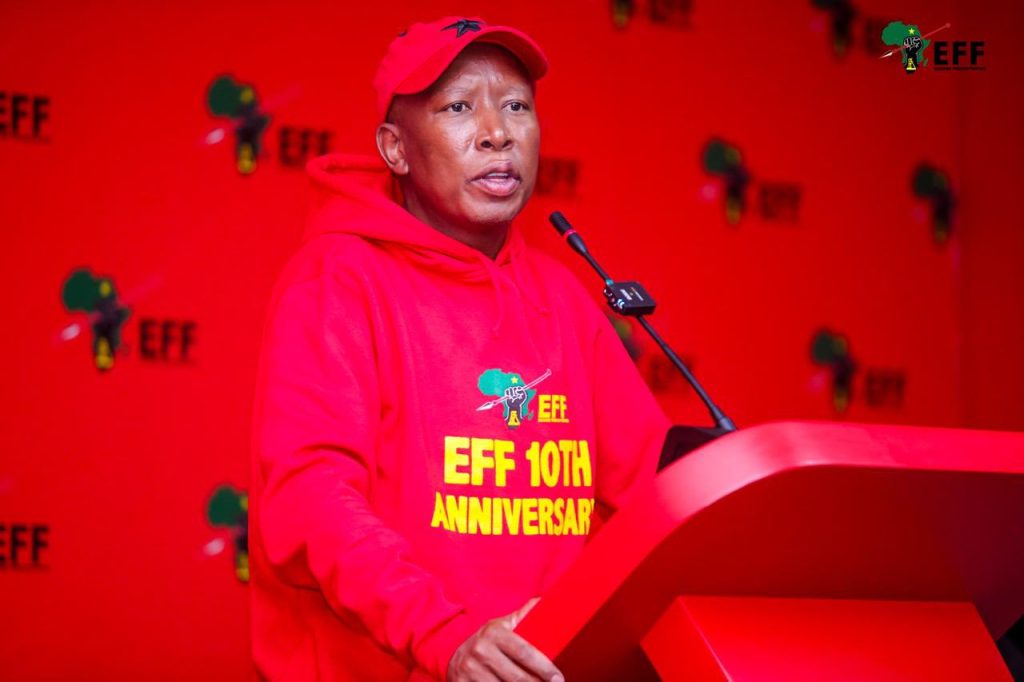
This is the same dynamic that led to Malema’s expulsion. Instead of nurturing and supporting the next generation of leaders, the old guard often views them as threats to their power, leading to a cycle of repression and exclusion.
As Julius Nyerere once noted, “Youth is the foundation of a nation. The youth is an important engine of development. But without support, they cannot develop, and the nation cannot progress.” The ANCYL must not risk being captured by the old guard as political ploy.
The current approach by the ANCYL is unscientific and short-sighted. By erasing Malema, they are erasing a significant chapter of their own history—a chapter that is crucial to understanding the evolution of youth activism in South Africa.
Without this understanding, the current leadership is doomed to repeat the mistakes of the past, falling prey to the same pitfalls that Malema encountered.
Much like Julius Malema’s continued reference to Peter Mokaba, an iconic leader of the ANC, despite his sour history with the ANC, underscores the importance of historical continuity.
ALSO READ | OPINION | We deserve the whole bakery and not the slices of bread
The omission of Julius Malema from the ANCYL’s 80th-anniversary poster is not just a slight against an individual; it is a betrayal of the history of youth liberation in South Africa.
It is a warning sign that the current leadership is more interested in appeasing the old guard than in advancing the revolutionary goals that Malema and others fought for.
The future of the ANCYL, and indeed the future of South Africa, depends on the willingness of today’s youth leaders to embrace their history, to learn from it, and to carry forward the torch of liberation with the same vigor and radicalism as their predecessors.
Written by: Lesego Mahlangu (community activist)
Disclaimer: The views expressed in the content belong to the author and not vmexsa, its affiliates, or employees.