![vmexsa logo [front]](https://vmex.co.za/wp-content/uploads/2023/06/cropped-cropped-cropped-front-1-scaled.webp)
The department of health has urged travellers and communities to remain vigilant of malaria disease as the country is recording a slight increase in malaria cases.

According to the department this is especially in malaria-endemic provinces which include Limpopo, Mpumalanga and KwaZulu-Natal.
Departmental spokesperson, Foster Mohale said the country has also noted outbreaks of malaria in some neighbouring countries within Southern African Development Community (SADC) region, mainly in Botswana, Eswatini, Namibia, Mozambique and Zimbabwe.
“This poses a threat of possible cross border transmission of this preventable disease, especially as people travel across the region to various destinations for religious and cultural reasons as part of Easter holidays.
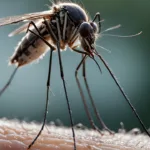
“The department will remain on high alert in case of sudden peak in malaria local transmission. The disease is primarily transmitted through a bite of an infected female Anopheline mosquitoes.
“Common symptoms include fever, chills, headache, muscle pain, nausea, loss of appetite and vomiting,” he stressed.
Mohale further added that all individuals travelling to malaria-endemic areas are urged to take necessary precautions.
He continued; “We implore them to take malaria prevention medication (prophylaxis) as advised by a healthcare provider. Doxycycline is available freely in all public health facilities.
High index of suspicion for malaria
“Use insect repellent containing at least 10% DEET. Sleep under bed-nets, use fans or air-conditioning. Wear long-sleeved clothing, especially at night and seek immediate medical attention if some of the below symptoms appear, and always mention recent travel history.”
Mohale highlighted that the healthcare providers in both endemic and non-endemic provinces have been alerted to maintain a high index of suspicion for malaria in patients with flu-like symptoms and report confirmed cases immediately to support malaria surveillance and response.
ALSO READ | Denosa worrisome over cleanliness, patient care at Bara hospital
“They were also reminded to always inquire about travel history, particularly from high risk regions and conduct prompt malaria testing and repeat the tests if symptoms persist despite negative results.
“Early diagnosis and treatment are critical to saving lives and preventing further transmission of the disease,” he concluded.